ISD-SL300T Liquid Security Detector is based on dielectric constant technology to detect liquid in metal containers and thermal conductivity technology to detect liquid in non-metal containers. It is specially designed for liquid security inspection scenarios. There will be no necessary to open the container to finish the detection and can distinguish safety daily liquid like water, milk, cola, juice from dangerous liquid like petrol or high percentage alcohol. It is designed to be deployed in metro, railway stations, airports, big events, etc.
.png)
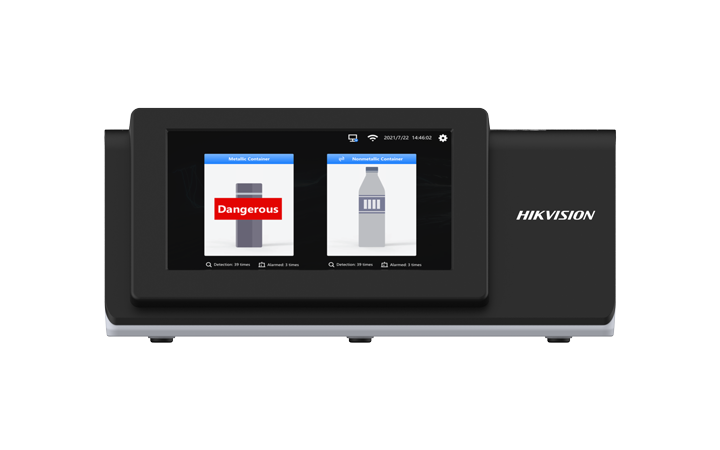
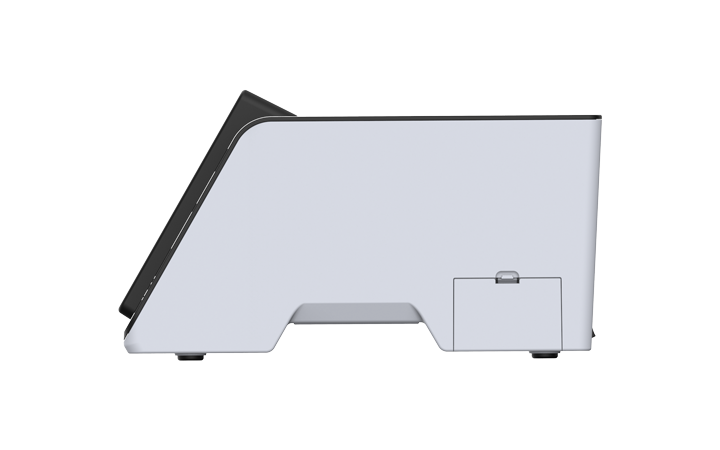

supporting various kinds of container materials like aluminum, iron, plastic, paper, glass, ceramics, etc. Multiple target liquid can be detected, including petrol, alcohol, liquid explosive, corrosive liquid, etc.

Non-metal container detection time less than or equal 1 second. Metal container detection time less than or equal 6 seconds.

False negatives and false positives are less than 5%.

10-inch user friendly touch screen to easily operate.

Support three alarm modes: light, sound and text. Results shown directly on LCD screen.

Automatic calibration, Automatic reset, Automatic statistical detection and alerting.
| Basic Parameters | |
|---|---|
| Dimension | 400mm(L) x 330mm(W) x 185mm(H) |
| Weight | Approx. 5Kg |
| Consumption | Max. 50W |
| Leakage Current | The leakage current of the equipment when working meets the safety requirements of electronic equipment and is less than 5mA. |
| Environment | |
| Operating Temperature / Humidity | 0 °C to 40 °C / 0 % to 97 % ( non-condensing) |
| Power Supply | AC 100V~240V, 50/60Hz |
| Atmospheric Pressure | 86kPa~106kPa |
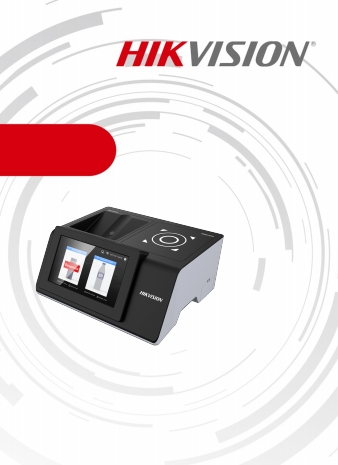
A Liquid Detector automatically selects the appropriate detection technology based on the container material. For non-metallic containers, it uses microwave technology to analyze the liquid's characteristics. For metallic containers, it uses thermal conductivity technology to evaluate the liquid. This enables fast, safe, and non-invasive inspection without opening the container.
Yes. For accurate detection, place the container in the designated detection area and keep it properly positioned during the inspection. The container should meet the device's supported size and fill-level requirements. Frozen liquids or improper placement may affect detection results. Always follow the operating instructions and avoid placing objects other than the container in the detection area.
